Your facility needs regular sanitation protocols customized for unique hazards, daily throughput, food allergens, and regulatory visits, including verifiable documentation confirming food safety measures, compliance audits, and public health regulations. The details below give guidance on sanitation program requirements.
Key Takeaways
- Food safety cleaning technicians from Brampton support restaurants, grocery departments, commissaries, warehouses, bakeries, schools, mobile vendors, and allergen-sensitive operations.
- High-touch surfaces, food-contact equipment, kitchens, floors, drains, restrooms, and storage areas are disinfected using zone-based workflows to avoid cross-contamination.
- Approved sanitizer dilution, appropriateness, and exposure duration are verified by approved specialists, with conclusion logged via samples, audits, and correction logs.
- Effective hygiene timelines factor in hazard, production rate, transitions, releases, and requirements when designating daily, recurring, and seasonal operations by location.
- Pick vendors with hazard analysis knowledge, health regulatory, knowledge, WHMIS, education, insurance, references, color-coded implements, and audit-ready maintenance files.
Food Safety Cleaning Requirements for Brampton Operations
Any Brampton facility that handles, maintains, prepares, packages, or offers food needs food safety cleaning. You must apply it if your business falls under public health review, food rules, or HACCP systems. That requirement covers eateries, dining facilities, food distribution centers, supermarket departments, meat markets, fish counters, corner stores, and commercial kitchens.
Adherent hygiene cleaning is also needed in warehouses, food manufacturing plants, cold storage sites, retail bakeries, school nutrition programs, banquet halls, and meal delivery hubs. Portable and seasonal operations apply similarly, like food trucks, event vendors, and temporary stalls. Your venue requires established hygiene procedures if your staff process ingredients, portion ready-to-eat items, reheat products, or store allergens. In Brampton, sanitation is not voluntary; it constitutes legal, operational, and consumer protection compliance.
What Do Brampton Cleaning Experts Clean?
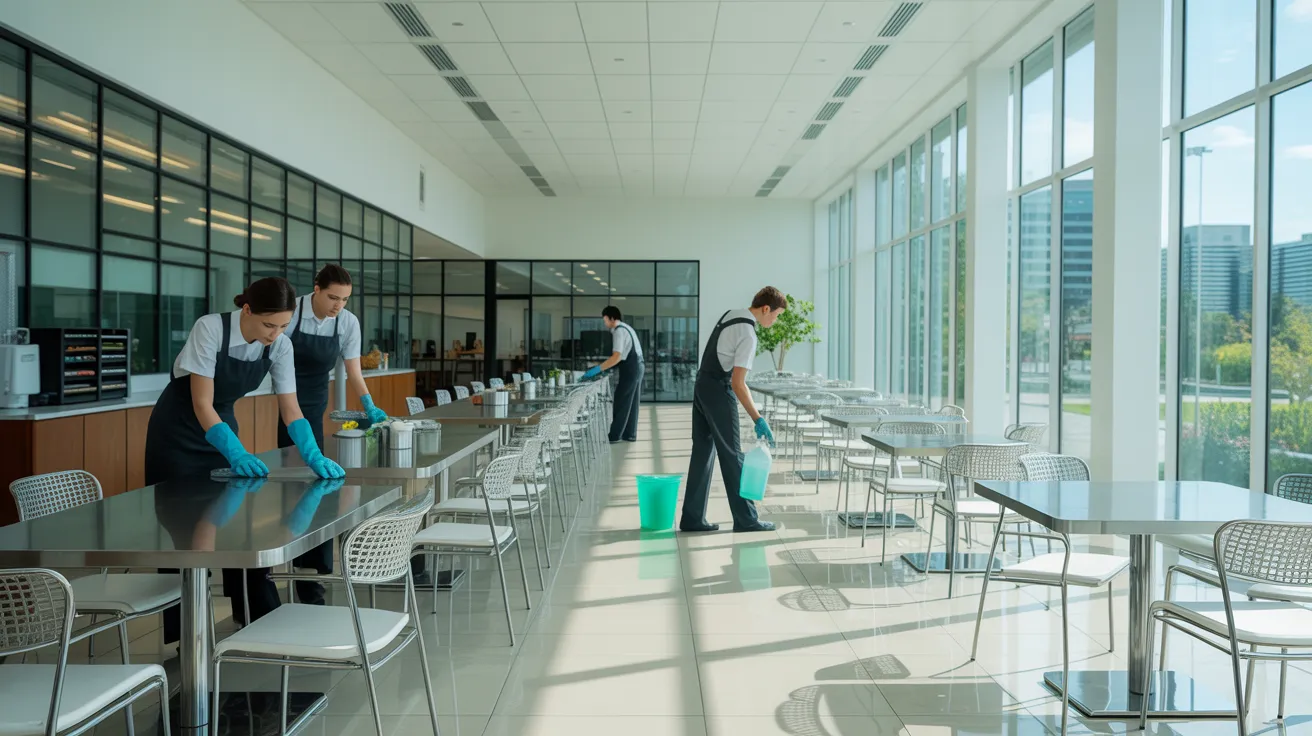
You need cleaning experts who disinfect frequently contacted areas, kitchen areas, floors, and restrooms to comply with food safety and health regulations. They target these areas because they pose the greatest danger for contamination spread, slip hazards, and hygiene violations.
By understanding their service scope, you can make sure your facility's cleaning procedures satisfy all operational and regulatory requirements.
Addressing High-Touch Surface Cleaning
establish a cleaning frequency
product guidelines and health regulations to copyright proper function. Professionals can apply surface swabbing to confirm sterilization efficacy
Kitchens, Floors, and Restrooms
Brampton cleaning services zero in on kitchens, floors, and restrooms as each zone involves different sanitation, accident, and wellness risks. In industrial kitchens, you need grease removal from cooking stations, appliance surfaces, drain systems, preparation areas, and backsplashes to reduce contamination and pest pressure.
Floor care that is documented should equally be anticipated. Technicians clean and remove buildup from tile grout, ceramic surfaces, and vinyl floors, then apply suitable dehydration methods so you can limit falls and maintain code-compliant conditions. They also handle entry points where dampness and dirt enter the building.
For restroom sanitation, cleaners sanitize high-touch surfaces, bathroom fixtures, stall dividers, supply dispensers, and trash receptacles, then restock supplies and control odours. They also maintain restaurant cleaning supply rooms where product storage, sink cleanliness, and drain systems impact daily sanitation standards and worker protection.
How Food Safety Cleaning Benefits Brampton Operations
To adhere to regulatory mandates and succeed in audits, Brampton establishments must maintain appropriate cleaning protocols. You also reduce bacterial spread through proper cleaning of food-preparation surfaces, appliances, and frequently-touched items. Most importantly, you safeguard community wellness by reducing the chance of food poisoning in your establishment.
Health Code Compliance
Because Brampton food operations operate under rigorous sanitary regulations, food safety cleaning directly affects your capability to fulfill health code requirements, protect customers, and eliminate enforcement action. You must maintain clean food preparation areas, written maintenance records, proper chemical use, and traceable training practices that comply with municipal and provincial inspection expectations.
Good hygiene practices facilitates allergen reduction by decreasing buildup on shared equipment and commonly contacted zones.
Cross-Contamination Prevention
Meeting regulatory requirements also depends on your ability to prevent cross-contamination during daily food handling and cleaning. You must keep raw items away from prepared dishes, sanitize prep surfaces between tasks, and store chemicals away from food-contact items. Established guidelines minimize contamination chances and support consistent compliance during inspections.
You should implement allergen segregation to prevent major allergens from touching common work areas, storage bins, or tools. Employ separate boards, labeled implements, and careful equipment identification so staff don't mix items throughout cooking or serving. Require handwashing after handling uncooked proteins, shellfish, egg items, or allergen products. Change cleaning rags frequently, and verify sanitizer strength with test strips. When staff members receive training on these procedures every shift, you build a more hygienic, secure workplace that satisfies Brampton's safety standards daily.
Community Health Protection
When food safety cleaning weaken, you don't only risk a failed inspection—you expand the chance of food contamination affecting customers, staff, and the larger Brampton community. You also weaken your role in protecting public health, especially in high-traffic food premises where contamination can spread quickly through surfaces, equipment, and touchpoints.
You require sanitation protocols that eliminate soils, sanitize properly, and verify outcomes. This requires following exposure times, utilizing approved disinfectants, logging schedules, and training employees to meet health-unit expectations. These mechanisms support disease prevention by decreasing microbes before reaching food or hands. Across Brampton, effective sanitation safeguards vulnerable groups, limits outbreak risk, and demonstrates accountability. When you maintain proper protocols, you exceed regulations—you meaningfully reduce risk and enable safer food service throughout the area.
How Does Cleaning Support Food Safety Compliance?
Embracing comprehensive cleaning schedules underpins food safety compliance by minimizing contamination hazards, managing pathogen expansion, and maintaining your facility's adherence to sanitation requirements under HACCP-based programs and public health regulations. You ensure that food-handling surfaces stay visibly clean and microbiologically controlled, backing documented preventive controls and inspection readiness.
Systematic cleaning further strengthens allergen mitigation by extracting residues that can lead to undeclared allergen exposure. When you match approved sanitation protocols with regulatory training, your staff can implement standardized methods, employ approved chemicals correctly, fill out documentation correctly, and respond to deviations before escalation occurs. Regular cleaning promotes product tracking, confirms remedial measures, and shows responsibility during audits. Furthermore, it aids you maintain product integrity, preserve compliance standards, and minimize the chances of regulatory actions, product recalls, formal complaints, and preventable health hazards.
Establishing When to Arrange Commercial Cleaning
food-contact areas, bathrooms, and frequently touched areas
Establish every week or monthly maintenance for drains, ventilation systems, storage racks, and hard-to-reach areas, determined by inspection data and sanitation documentation. Dedicate seasonal thorough cleaning to cover shutdowns, weather-related soil buildup, or pest-pressure periods
How Do You Choose Brampton Cleaning Experts?
Evaluate providers first by food-safe sanitation requirements rather than price alone. You must ensure each provider understands CFIA, public health, and HACCP-aligned expectations for your business. Request proof of insurance, WHMIS compliance, staff training documentation, and supervision methods. Check technician understanding of contamination prevention, chemical handling, and documented sanitation practices.
You must also evaluate operational reliability and accountability. Seek references from Brampton food companies, then assess response times, corrective-action procedures, and communication standards. Ensure the company enables supplier checks and can provide inspection-ready documentation when authorities or third parties demand verification. Verify equipment care, colour-coded tools are deployed correctly, and site-specific hazards are understood. A qualified provider protects compliance, product integrity, and your brand reputation.
What's included in a sanitation cleaning strategy?
Establish a documented program that Brampton Food Safety and Sanitation establishes every sanitation duty, standard, and accountability before production begins. You should list cleaning frequencies, approved chemicals, dilution rates, contact times, tools, and verification methods for each zone, surface, and piece of equipment. Make sure to include pre-operational inspections, corrective actions, and employee training requirements.
Your program should also address cross-contamination controls, waste handling, pest-prevention measures, and documented schedules for restrooms, drains, floors, and food-contact areas. Explain how you'll keep raw and prepared foods apart, support ingredient tracking, and maintain accurate allergen labeling through validated cleaning between product changes. You should designate accountability, keep signed records, and review results against regulatory standards, HACCP controls, and customer requirements. When gaps appear, revise procedures immediately and retrain staff.
Commonly Requested Questions
Do cleaning services operate during nighttime hours at Brampton properties?
If you operate regulated spaces, you'll also need documentation that support inspections and ensure quality assurance.
Do Brampton cleaning experts provide emergency spill response services?
Yes, you can find many Brampton cleaning professionals offering spill containment options. They handle contamination, evaluate risks, contain affected areas, and perform swift decontamination to reduce exposure and prevent disruption. You should verify response times, certifications, protocols, and disposal methods. If your facility needs compliance, pick a provider that logs events, follows procedures, and supports audits.
Will plant-based disinfectants protect safely food preparation areas?
Absolutely, plant-based sanitizers can be appropriate for food preparation areas when you opt for products labeled food safe and complying with regulations. You must verify application timing, concentration levels, and rinse requirements prior to application. Botanical formulations decrease harsh chemical exposure, though you require demonstration of efficacy against specific pathogens. For preserving residue-free areas, adhere to precise manufacturer instructions and confirm the disinfecting agent adheres to food industry regulations.
Can sanitation programs flex with production fluctuations?
Without question, sanitation programs are highly adaptable for production fluctuations. Adjust timing, labor allocation, disinfectants, and validation steps to match production rhythms while sustaining compliance standards. Minimize production downtime by organizing sanitization during line changes, maximum output, and equipment use patterns. Additionally revise procedural documents, staff education, and environmental monitoring to address seasonal hazards, novel allergens, or higher contamination levels. Periodic assessments ensure your plan efficient.
Will professional cleaning services teach employees on sanitation best practices?
Certainly, professional cleaning experts train your employees on hygiene protocols. You secure staff training on proper chemical use, contact times, cross-contamination prevention, machine disassembly, and documentation procedures. They generally coordinate coaching with HACCP, GMP, and CFIA or local public health standards. Many execute health assessments to check standards, identify gaps, and reinforce corrective actions. This helps you copyright standard processes, pass inspections, and minimize foodborne pathogen risks every day.
Conclusion
By partnering with Brampton food safety and commercial cleaning professionals, you aren't just organizing—you keep your operation compliance-focused and your standards in compliance. From production areas to kitchen zones, every sanitized surface and maintained corner reduces pest risk and prevents costly issues. By scheduling cleanings on the right schedule and following a documented cleaning plan, you secure staff members, customers, and your standing. In a strictly regulated industry, clean spaces must be prioritized—they're key to business compliance.